2026-09-27 ·
Crime Scene Cleanup Littleton After Winter Storms
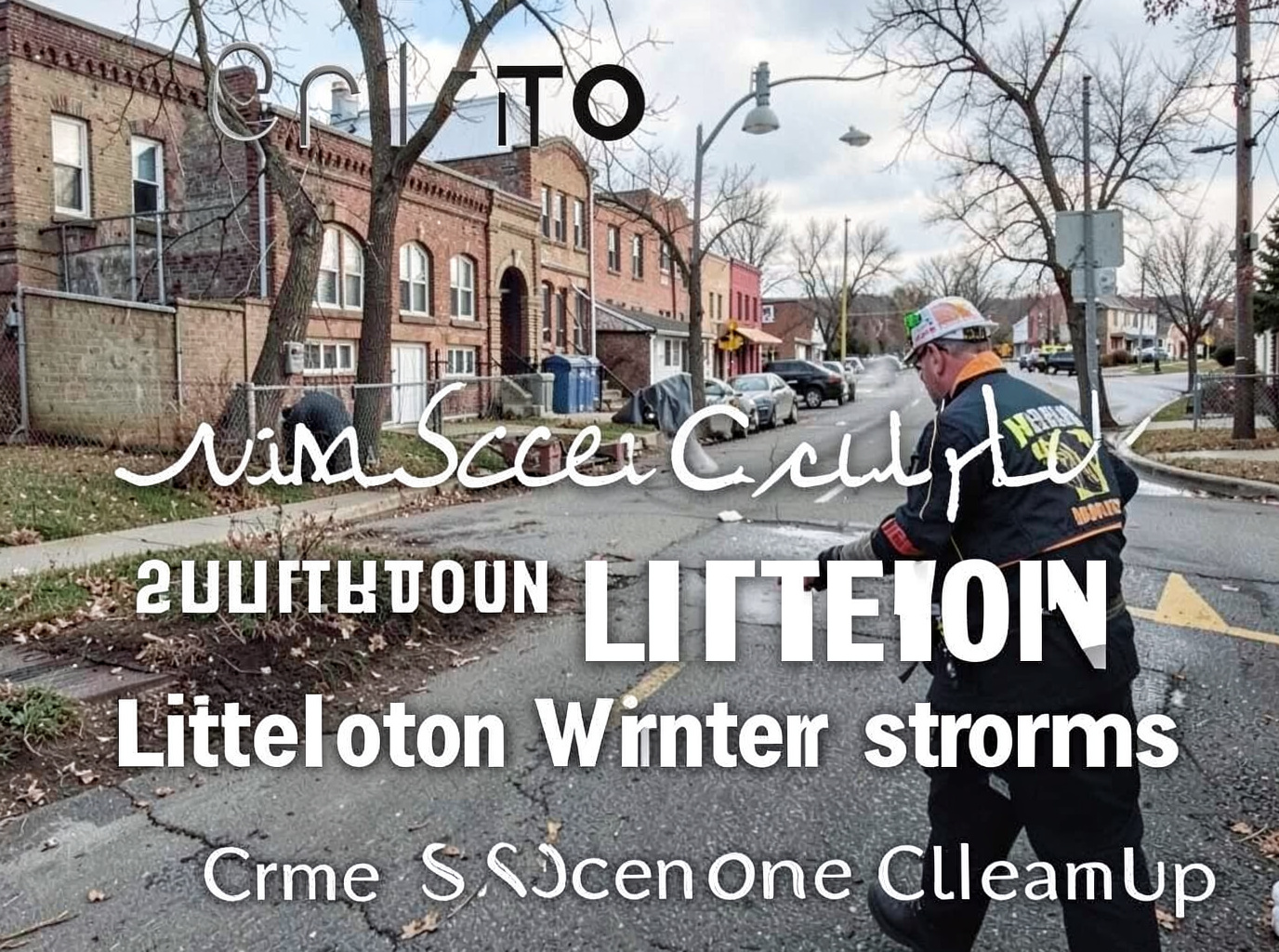
Winter storms in Littleton typically extend crime scene cleanup timelines by 24 to 72 hours because crews must first clear snow and ice before they can safely enter properties in neighborhoods such as Columbine, Bowles, and Southpark.
Snow and Ice Access Issues in Littleton Neighborhoods
Heavy snowfalls common along the Front Range create immediate barriers for 24 Hour Dispatch teams responding to scenes in Downtown Littleton and Historic Littleton. Driveways and sidewalks in these older housing stocks often remain uncleared for days, forcing crews to use specialized equipment to reach entry points without disturbing potential evidence. Arapahoe County roads leading to Sterne Park and Wolhurst can stay slick even after plows pass, increasing the time needed to transport biohazard materials out of the property. Low humidity in the semi-arid climate helps keep surfaces drier once snow melts, yet refreezing overnight creates new slip hazards around Hudson Gardens and Bemis Public Library vicinities. Crews plan extra buffer time when storms hit because four distinct seasons mean rapid weather shifts that can strand vehicles on narrow streets typical of 1950s and 1960s homes in the Bowles area.
How Thawing Affects Decomposition After Storms
Once winter storms pass and temperatures climb above freezing, previously slowed decomposition accelerates in Littleton homes, particularly in basements common to Historic Littleton properties. The region's low humidity normally retards bacterial growth, yet melting snow introduces moisture that combines with indoor heat to speed tissue breakdown. Teams working crime scene cleanup must adjust protocols quickly because Arapahoe County properties near Englewood often experience this thaw cycle within 48 hours of a storm's end. Snow melt can also carry fluids into soil around foundations in Columbine, requiring additional excavation steps not needed in drier months. Crews monitor weather forecasts from Denver and Highlands Ranch stations to predict these shifts and stage equipment accordingly.
Practical Steps for Property Owners in Littleton
After police release a scene, owners in Sterne Park and Southpark should first confirm 24 Hour Dispatch availability before attempting any cleanup themselves. Snow-covered yards make it harder to contain odors and fluids, so professional crews bring portable containment units suited to the semi-arid freeze-thaw pattern. Steps After Police Release a Scene in Downtown Littleton outline the exact sequence that applies when winter conditions are present. Homeowners near the Littleton Museum should avoid using household fans until professionals assess airflow, since dry Front Range air can spread particulates once thawing begins. Front Range Dry Air Effects on Crime Scene Decomposition explains why Littleton winters create unique timing challenges compared to more humid regions.
Suicide Cleanup Considerations in Winter Conditions
Suicide cleanup in Littleton after winter storms demands extra attention to frozen surfaces that may conceal fluids until thawing occurs. Properties in Wolhurst and Columbine often feature attached garages where vehicles remain parked during storms, complicating ventilation once crews arrive. The low-humidity climate helps limit mold growth on affected materials, yet sudden moisture from melting snow requires immediate extraction to prevent secondary damage in older Arapahoe County homes. Suicide Cleanup teams coordinate with local weather data to time their work between freeze cycles, ensuring thorough removal before the next storm arrives. This approach protects both the property and neighboring homes in Southpark where shared walls can transmit odors if not addressed promptly.